
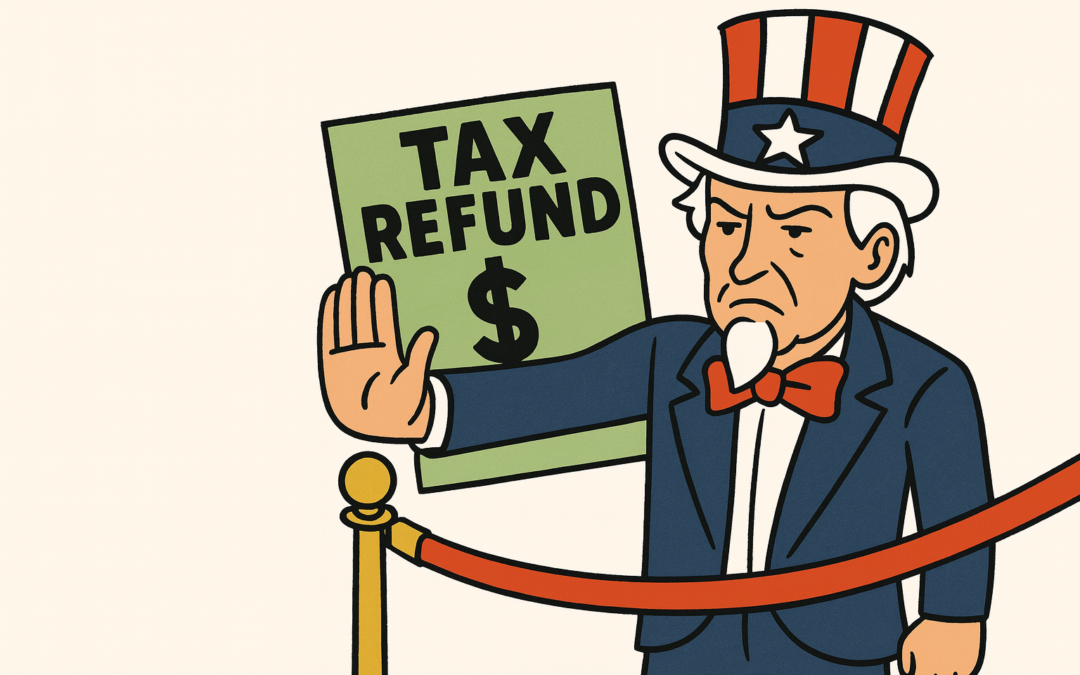
According to early IRS filing data, the average tax refund is over 14% higher so far this filing season compared to the same time last year, and the average refund is projected to be over $1,000 more. While many treat their tax refund like a spring bonus, the reality is that a tax refund is nothing more than the IRS giving you your own money back. Tax refunds are not ‘free money,’ nor are they really indicative of whether you paid more or less in total tax compared to other years. Having a tax refund simply means that throughout the year, you paid the IRS more than what you actually owed, and in essence gave the government an interest free loan.
One big reason refunds are larger this year is because nearly everyone that was an employee had more taxes withheld than what was actually owed. The explanation for this is that the original Trump tax cuts were set to automatically expire in 2025 and the IRS told payroll companies via their published tax withholding tables to assume tax rates were going to increase as part of this expiration. When the Big Beautiful Bill was passed in the summer, which extended the current lower tax rates, the IRS announced that it was not going to change their tax withholding tables partway through 2025. This meant that employers continued to withhold more in tax than what everyone actually owed by assuming tax rates were higher than what they actually were. This has been corrected for 2026, so if you were an employee being paid wages you’ll likely have seen your take home pay go up slightly this year as the amount that has been withheld for taxes has decreased. This correction means more money throughout this year, but a smaller (or no) refund next year.
Another reason tax refunds are higher is due to some of the new provisions in the Big Beautiful Bill, such as the bonus deductions given to those that are 65 or older, and the ability to deduct more in state and local taxes paid. Both of these provisions are considered temporary though, and are set to expire in a few years. They both also have phase outs, meaning if your income starts getting too high, you’ll begin to lose them. So, if you think your income may increase or that you may live for more than a few more years, you shouldn’t assume your taxes will continue to be lower in the future.
These are just two of the many reasons tax refunds may be lower than expected in future years. Certainly there are others, such as not being able to deduct 100% of charitable giving or gambling losses any longer. It certainly makes sense that the government would want to have people receiving larger tax refunds during a midterm election year as it would help those in power increase the likelihood of being reelected. Don’t assume, though, that if you got a larger tax refund this year that it will happen again.
Oftentimes assumptions can be dramatically different than the way reality plays out. Probably the number one myth we dispel when it comes to retirement planning is that taxes will be lower in retirement. While the Big Beautiful Bill may have given temporary tax relief and bigger refunds to some, far too many retirees will still face higher marginal tax rates in the future even if their income is lower than when they were working. The fact is that taxes are often one of, if not the largest cost for retirees. We firmly believe that retirees are still one of the highest and most unfairly taxed groups out there. If you’re having trouble navigating the increasingly complex tax system and don’t want to pay more than your fair share in taxes, I’d suggest scheduling a complimentary tax strategy review with someone from our team at Retirement Portfolios, a Registered Investment Advisor in Lawrence, KS by calling 785-330-9292 or filling out the form below.
Recent Comments